The inspiration behind The MicroClinic Project comes from my grandfather, Dr. Yunus Ali Khan, and from everything he taught me throughout my life.
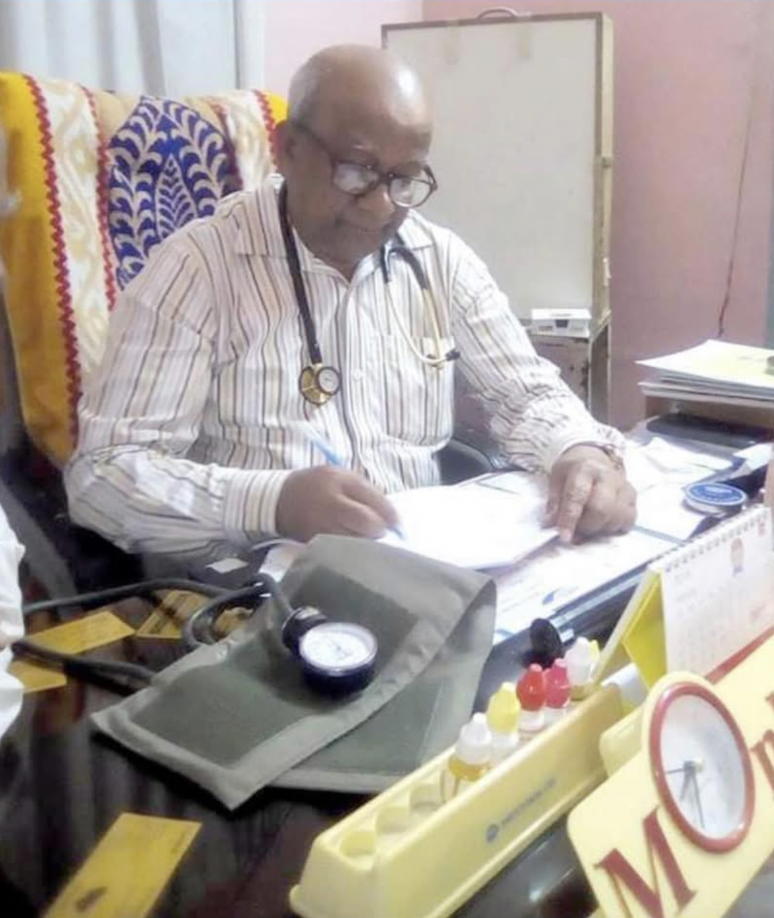
My vhaiya was a rural physician in Bangladesh. He was often the internist, the pediatrician, the ophthalmologist, and the pharmacist, all in a single day. I spent summers at his clinic, watching him see patients from villages scattered across the countryside, people who had nowhere else to turn. He traveled to reach them at any hour. He never turned anyone away. He never asked for payment. He said the same thing, every single day:
"Be a person for the people."
That proverb was truly what defined his life and legacy. He showed up with discipline and without exception, a daily commitment to people the system had left behind. He taught me that the most valuable care a physician can provide is being present and attentive to the human being in front of you.
Throughout the COVID-19 pandemic, my grandfather kept seeing patients. He kept showing up. He kept going, until his very last days. He passed away at 83, catching COVID-19 himself from a patient, still in service to his community. His passing left a tremendous gap, and his legacy shapes our efforts to fill it.
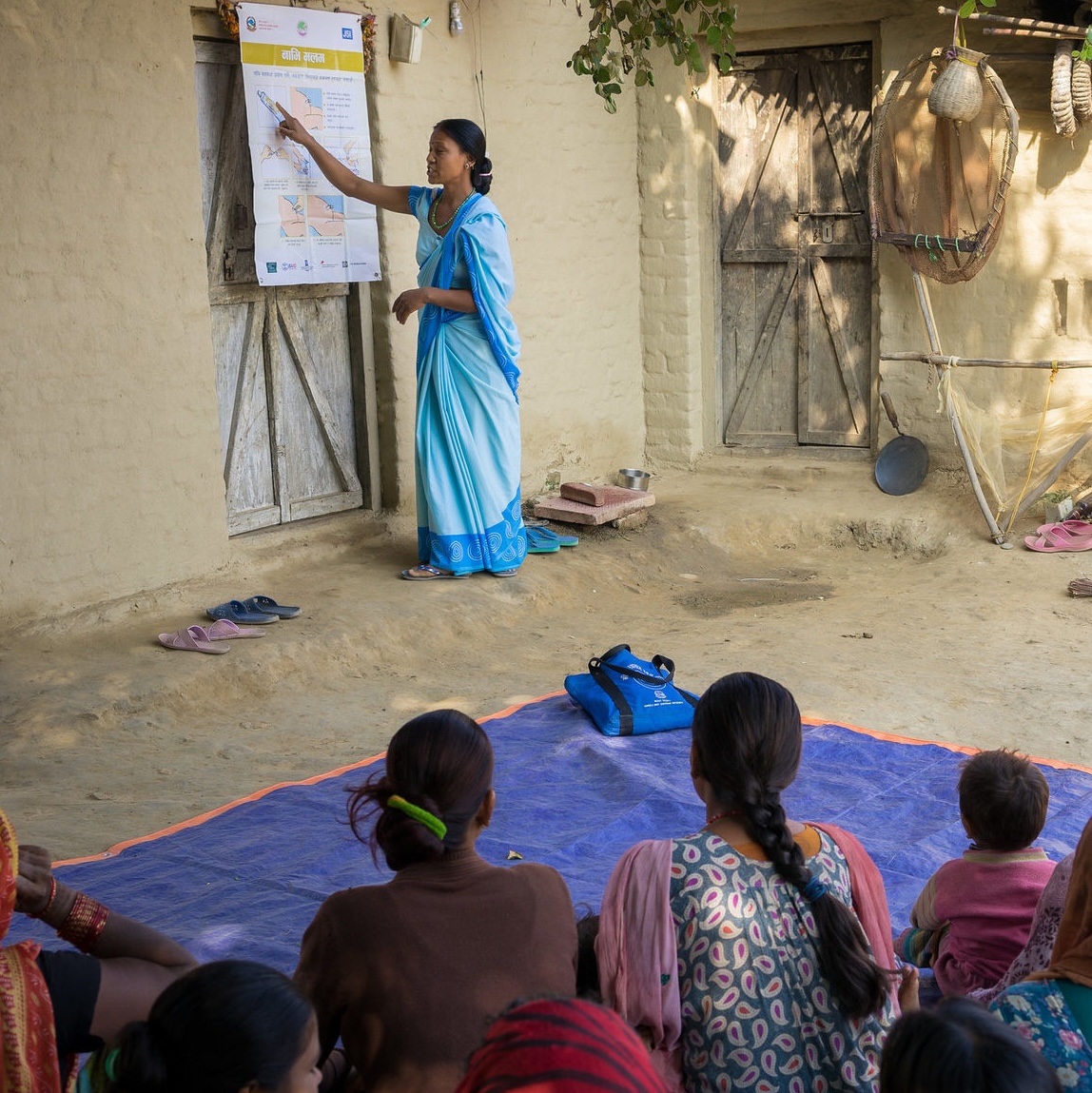
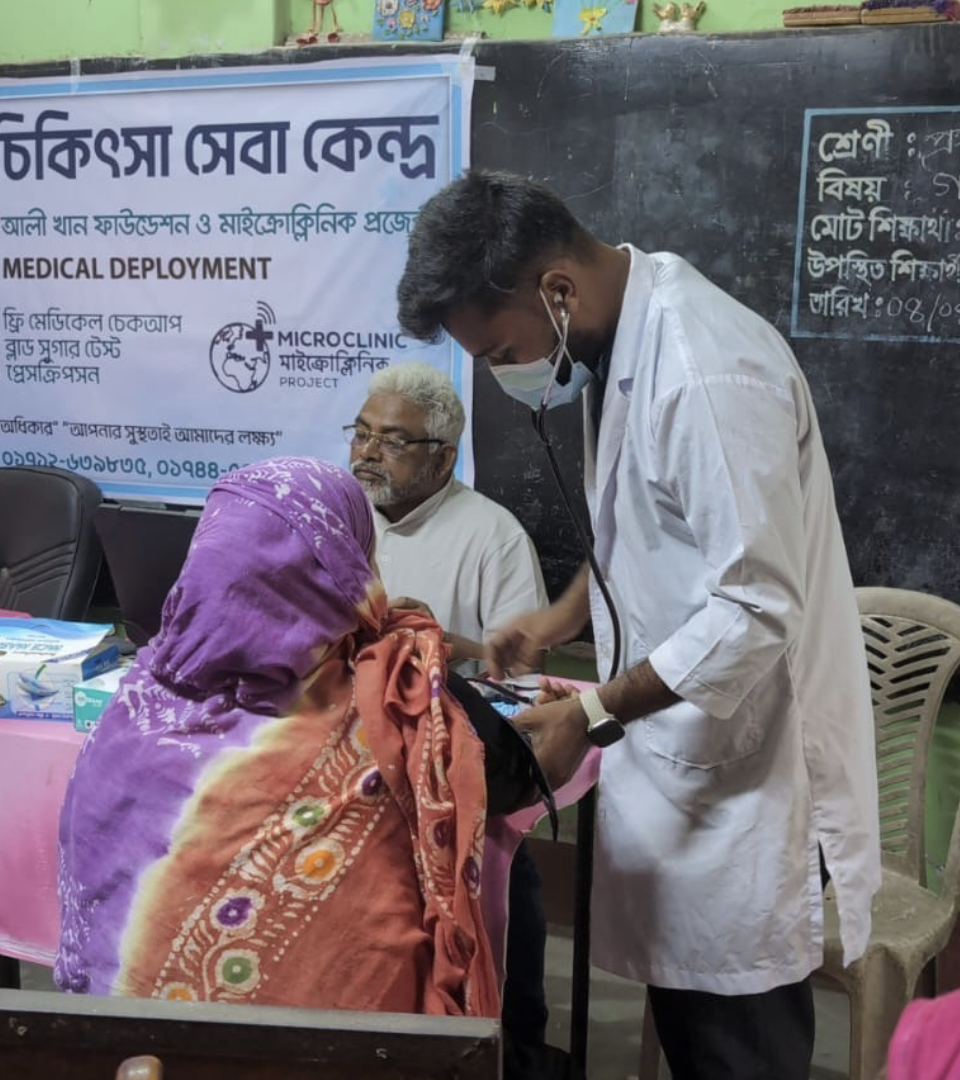
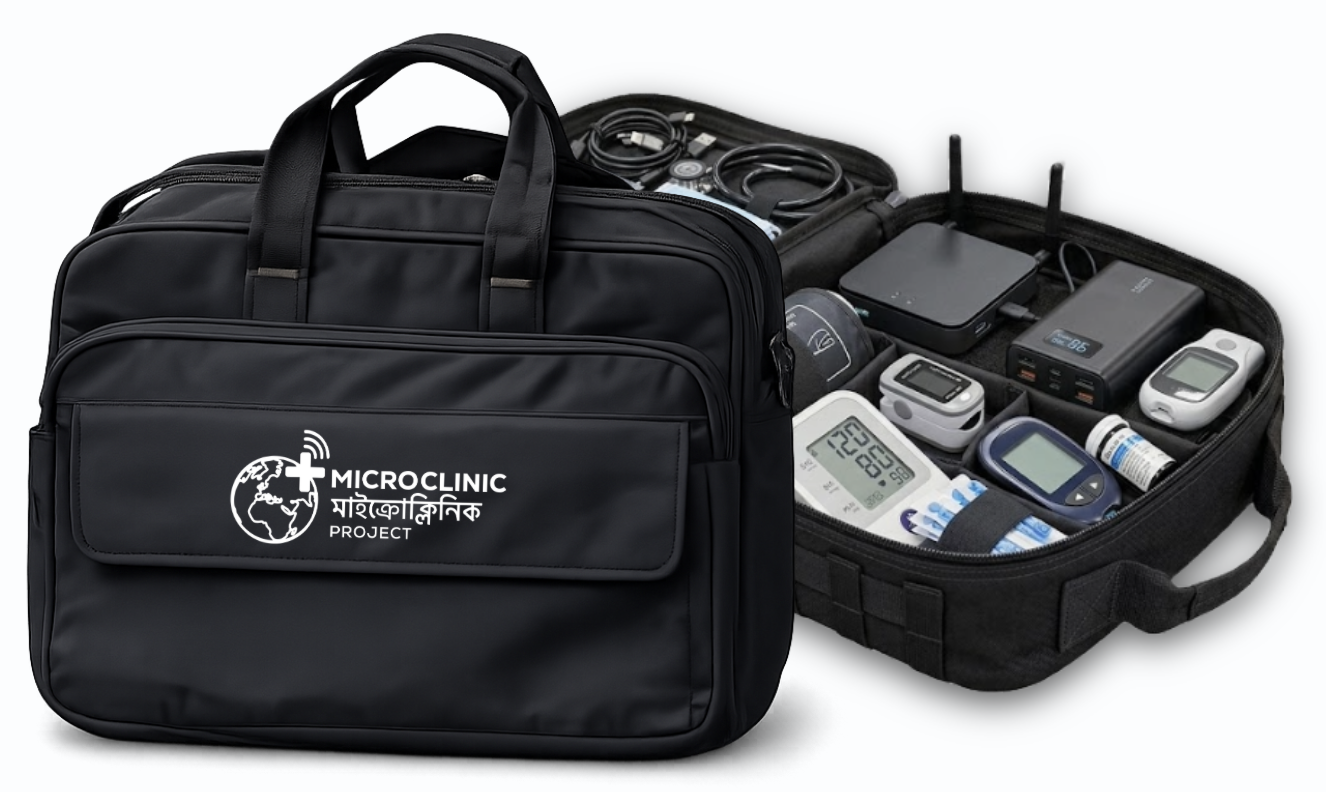
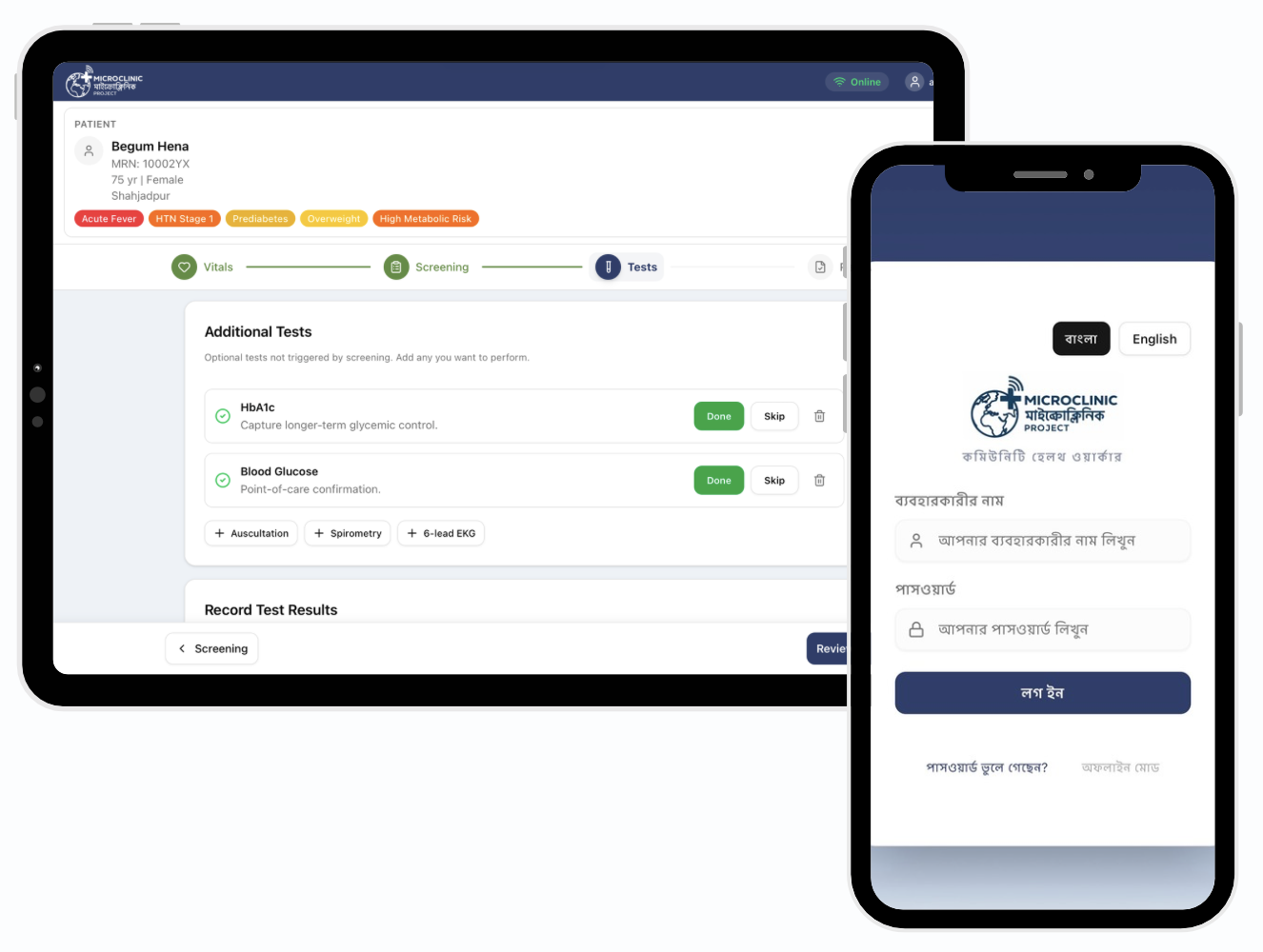
He bridged these systemic gaps in care by being the most ardent representation of effective primary care: a clinician willing to go wherever his patients were, providing quality and affordable medical care. Inspired by his practice, our goal is to make it structurally possible for many more to do the same. To give community health workers the tools, the clinical support, and the economic stability they need to show up, every day, for the people who need them most.
The MicroClinic Project exists because my grandfather proved what is possible when a provider truly shows up for their community. Our work is an attempt to honor that proof by making it scalable, sustainable, and lasting. These values do more than guide us, they are the reason we exist.
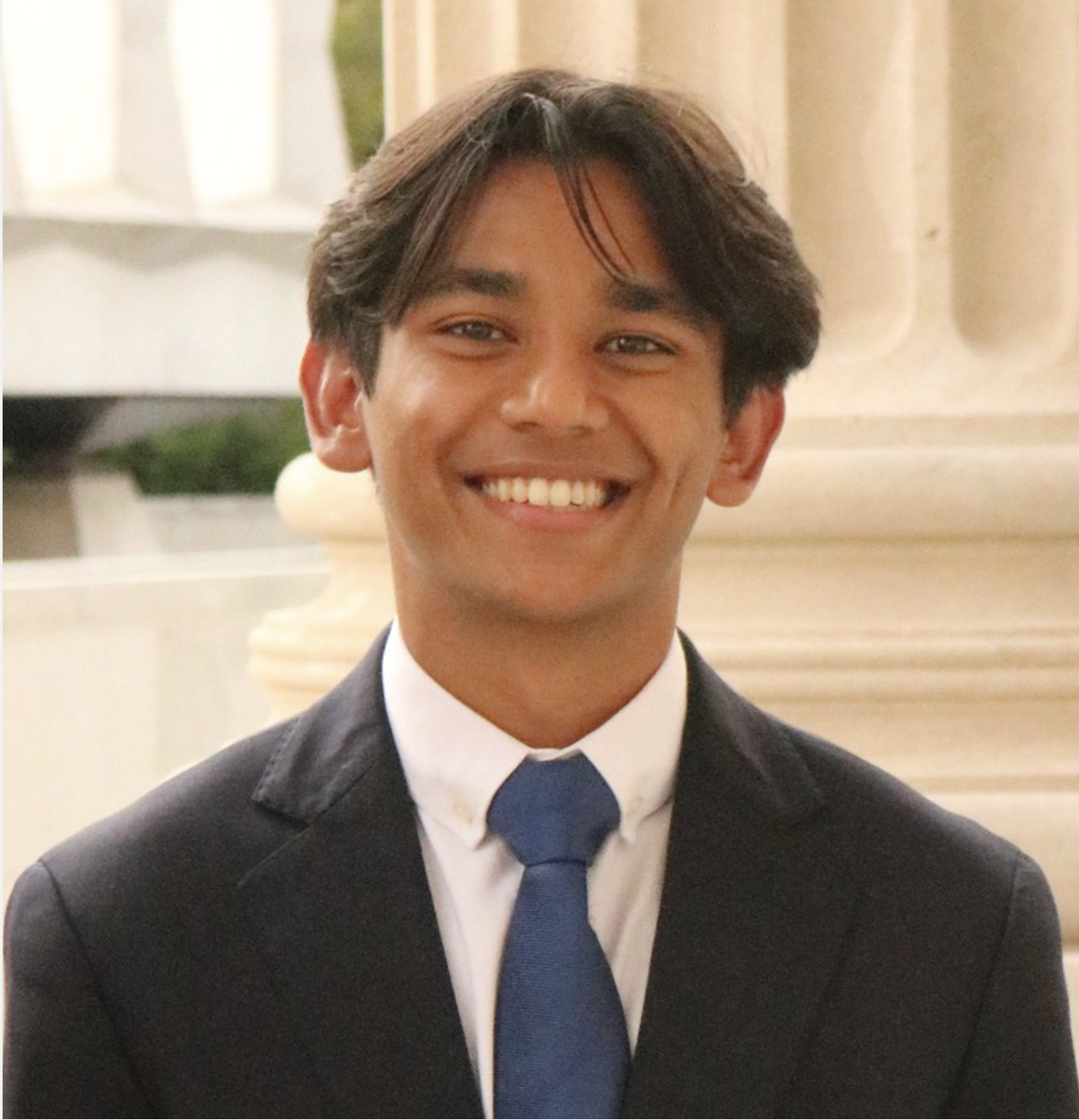
Rishit Shaquib
Co-Founder & CEO, The MicroClinic Project